On the day two, I planned to take a bullet train down to Busan, check into our hotel, and travel to Gyeongju (old capital city of Korea and about 30 minutes trip from Busan). However, when we arrived at Busan, I decided to store our luggage in a locker in Busan station and go straight to Gyeongju, instead of checking into the hotel first to save time.
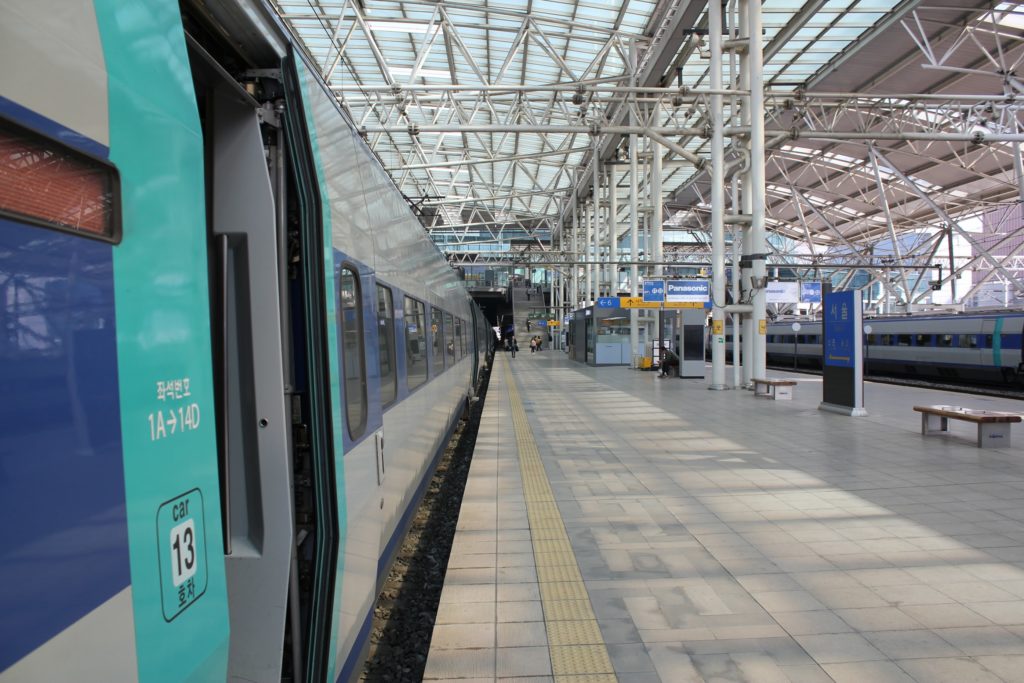
KTX operates the bullet train in Korea. It takes around three hours (as opposed to 5+ hours) to go from Seoul to Busan on one of the bullet trains. And it’s comfortable, quiet and some window seats do come with USB ports and power outlet. It cost around $50 per person for one way ticket, so it wasn’t the cheapest. But it’s an experience, so I was willing to pay.
However, their English site SUCKS. OMG. It sucks big time.
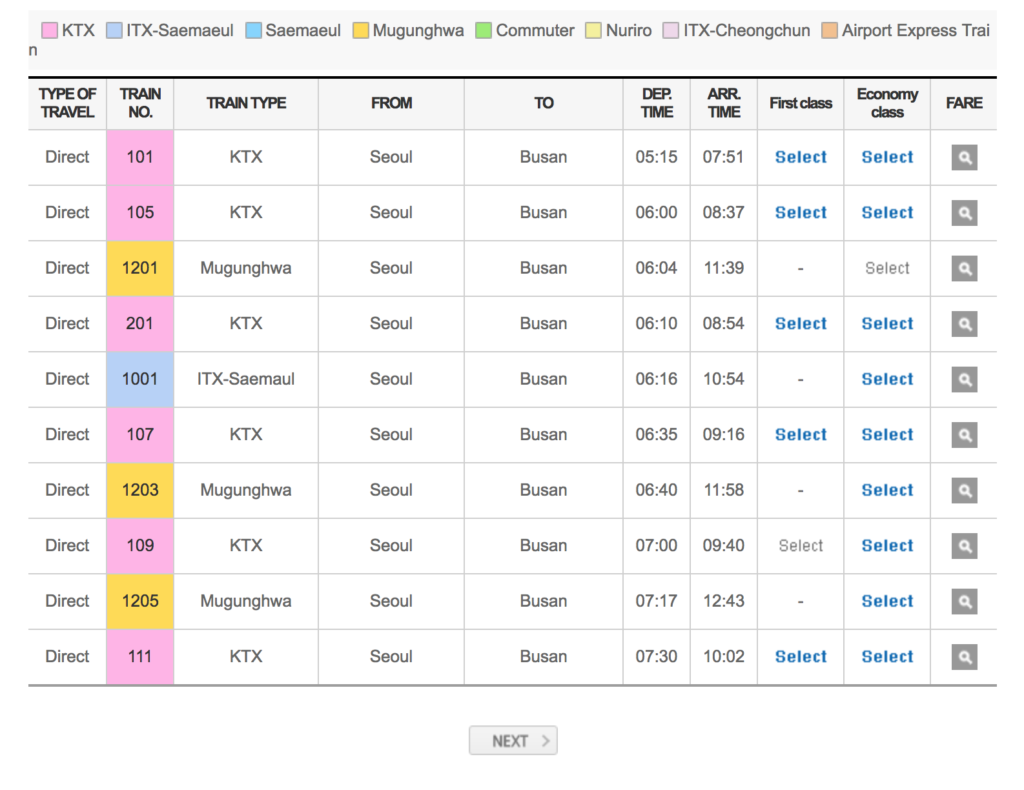
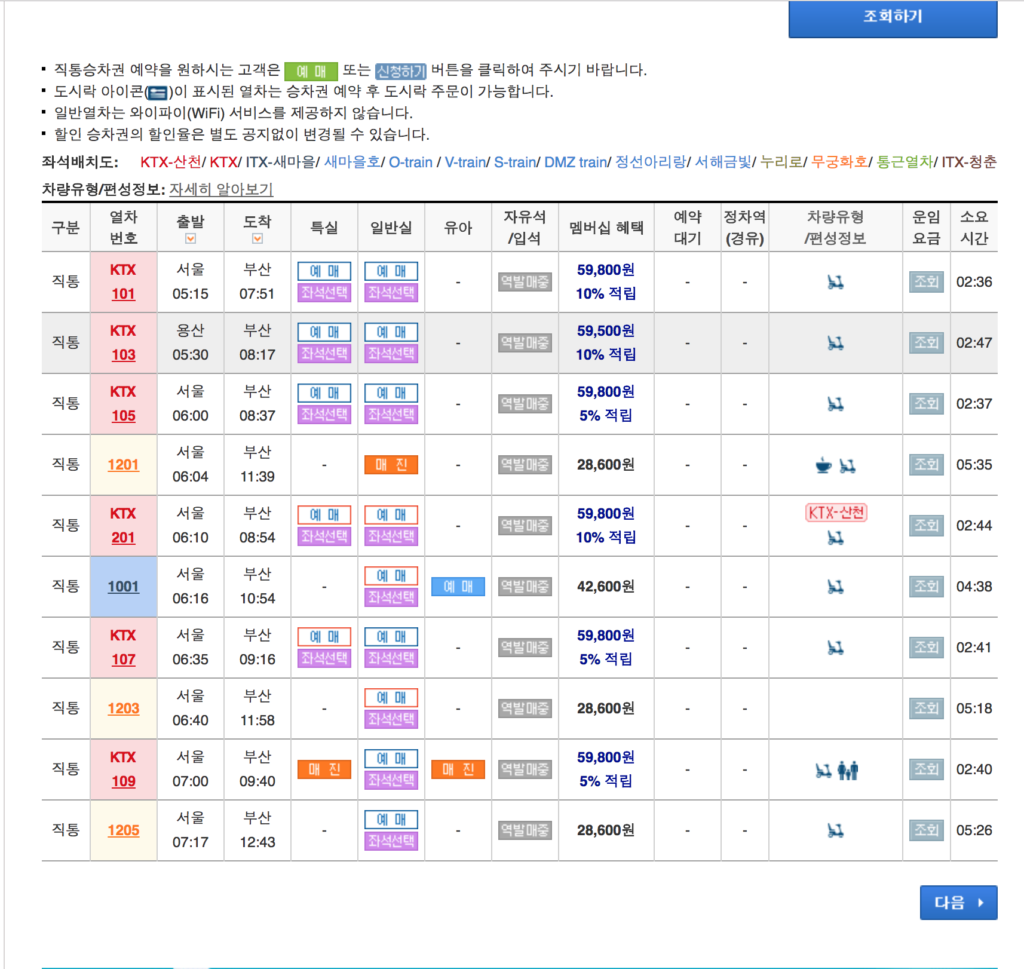
As you can see, there is quite a bit of information missing from English page (like being able to select your seats and showing extra stations it will be stopping at). It is a bit cheaper and takes a bit longer if they stop at additional cities (stations).
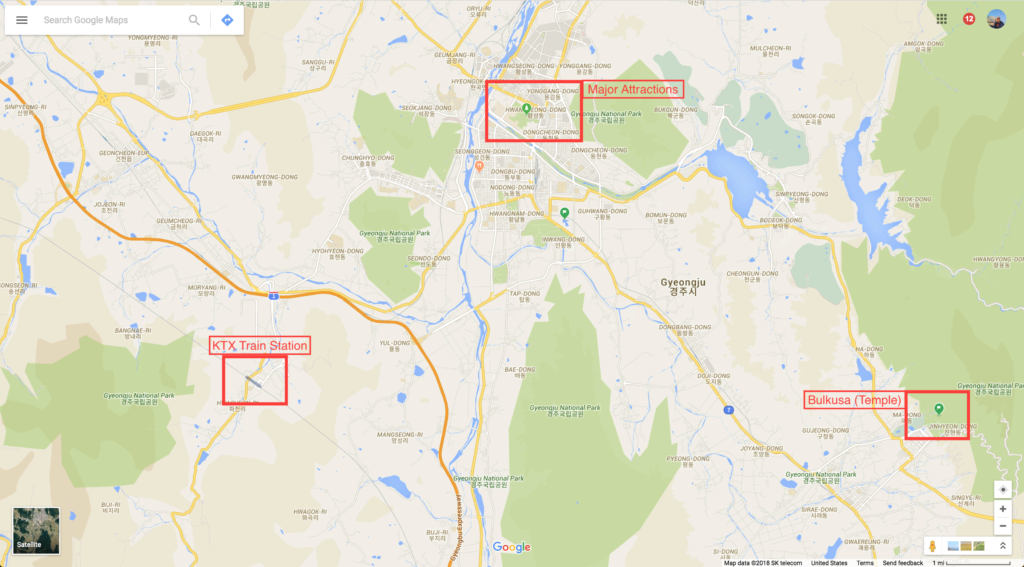
A KTX bullet train to Gyeongju from Busan takes only 30 minutes, but the major downside is that its station in Gyeongju is different from old station, and it’s quite far from the city and the major attractions. You can take a bus to the city from the station, but it departs every hour and takes too long. We are on a vacation, so I was willing to spend money on taxi ride. It’s even further to the Bulguksa temple we were trying to go.
After we arrived at the station, I went over to the taxi stand and got in the first taxi there. An old man was driving, and when he heard that we were going to Bulguksa, he suggested that we go to Seokguram first since it’s close to Bulguksa and it’s up high in the mountain, it’s easy to see it and walk down the mountain to go to Bulguksa. I’ve been to Seokguram before, but that was more than 15 years ago, so I obviously couldn’t remember what it was exactly. He told me that going there will only 10+ minutes, but it didn’t hit me that it would also increase the taxi fare. I honestly couldn’t tell whether the taxi driver was trying to scam us for more taxi fare or genuinely trying to help us get the most of the trip. And since it was around 3-ish and Bulguksa closes at 6, he drove like a maniac.
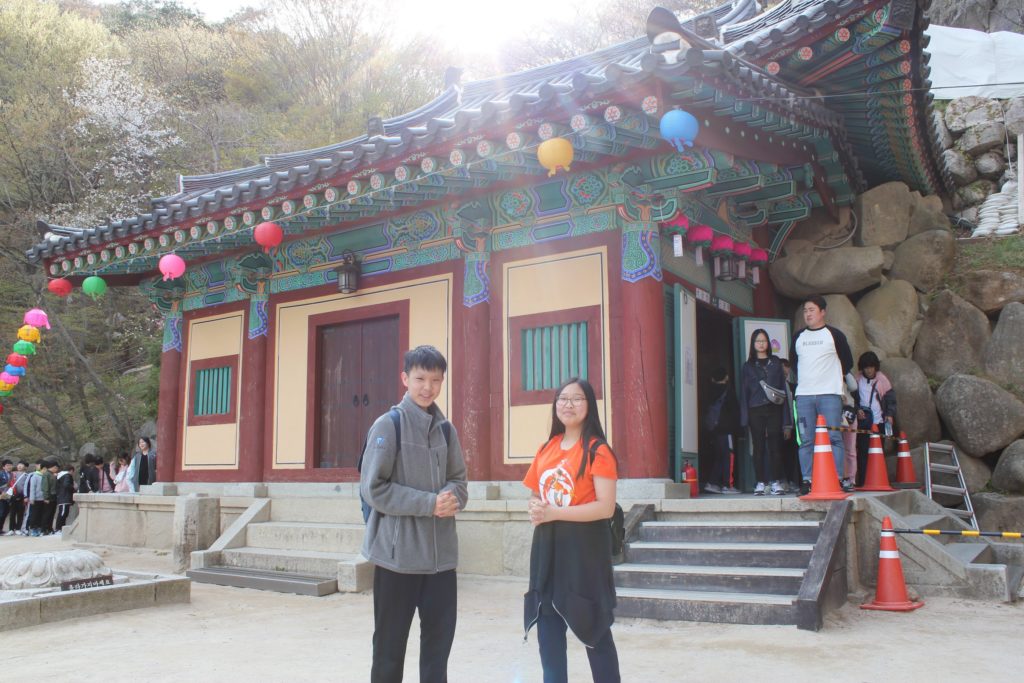
After entering a small structure where Seokguram is, I realized what it was. It’s a stone Buddha statue what was carved inside a rock, and it’s inside the the small structure in the photo above. Taking a photo inside was prohibited, so I couldn’t take a photo. There was also a small desk inside where a person was collecting dontation. You write your wish on a what looked like a guestbook, pay like $50, and they place it inside the cave next to the Buddha statue. I was like, how does that make wish come true? Another over-commercialization. Boo.
In the entrance of path way to Seokguram, there was a huge bell they let you ring for $1 donation, so of course, I went and rang it. You can see the video here.
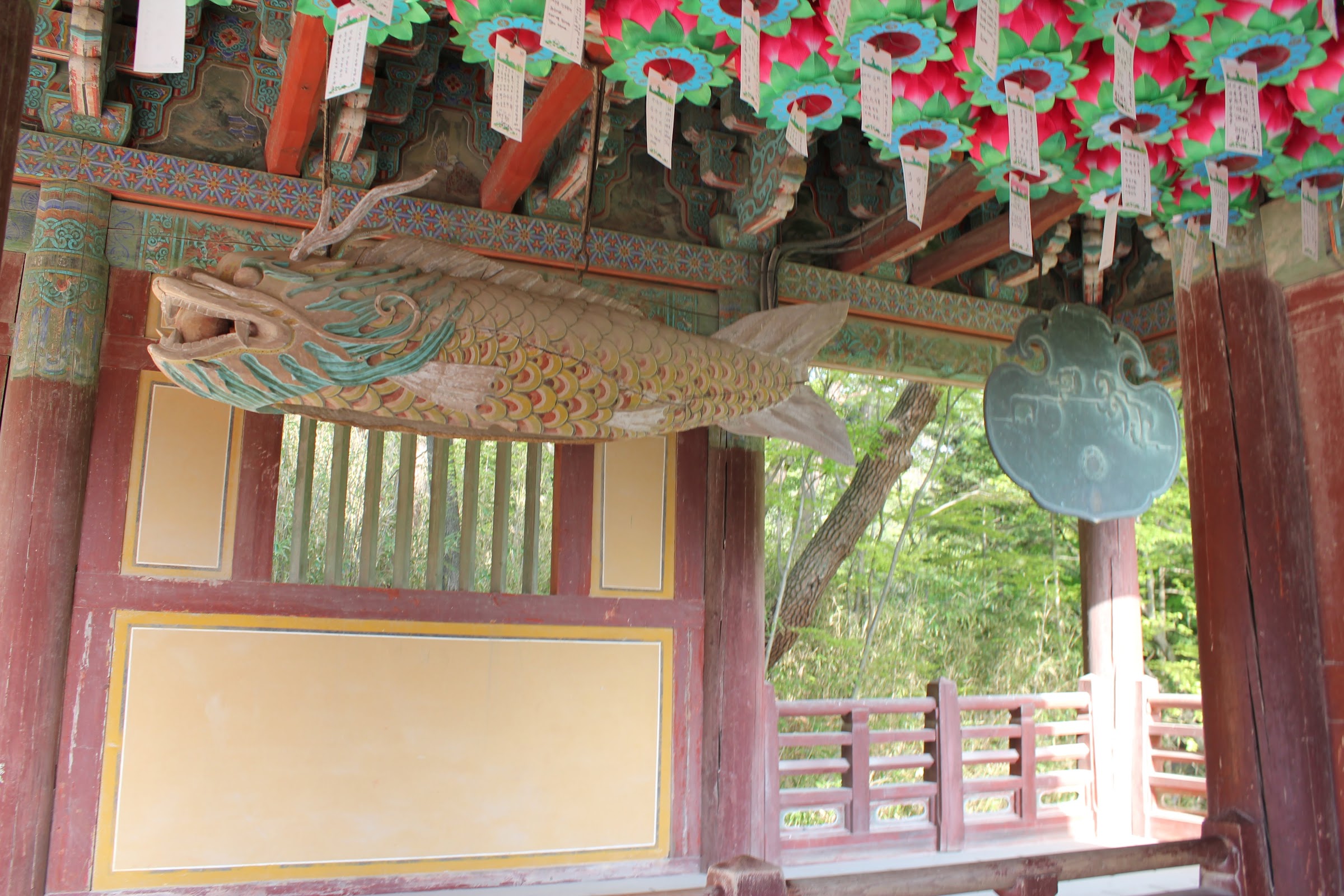
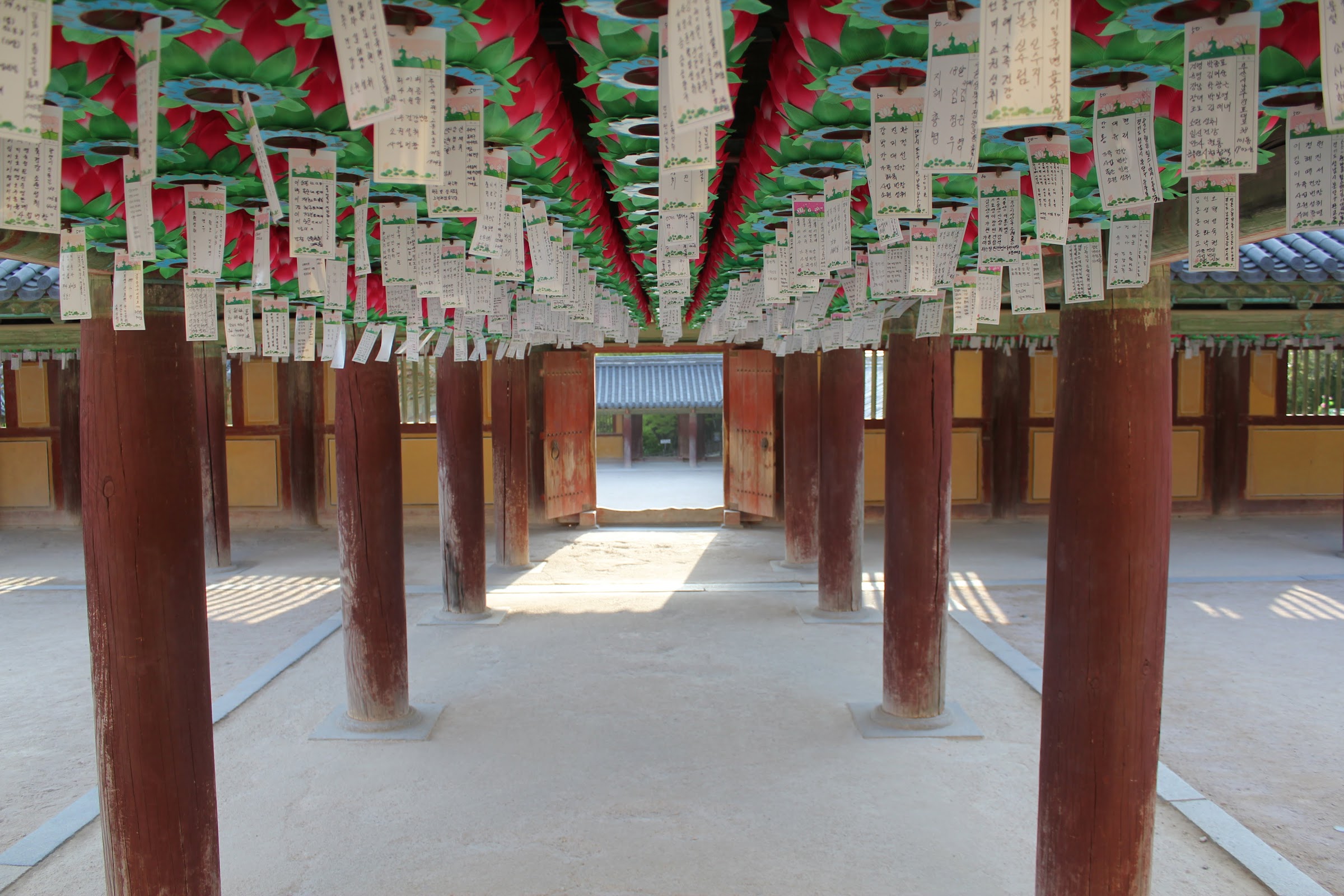
At the bottom of Seokguram is one of the most popular buddhist temples in Korea and has many National Treasures in display. Because it was close to Buddha’s birthday, they had colorful lanterns hung in the sky. Most of them had a piece of paper with names attached to them. I thought it would be cool to also put our names on there. But, when I approached a booth to ask how I could do it, they gave a few options and told me that more expensive ones were supposed to bring better/more luck. Sure, I suppose they have to make somehow and it probably costs money to hang all those lanterns, but I was appalled at selling “luck”. It just gave me bad taste in my mouth, so we decided not to do it.
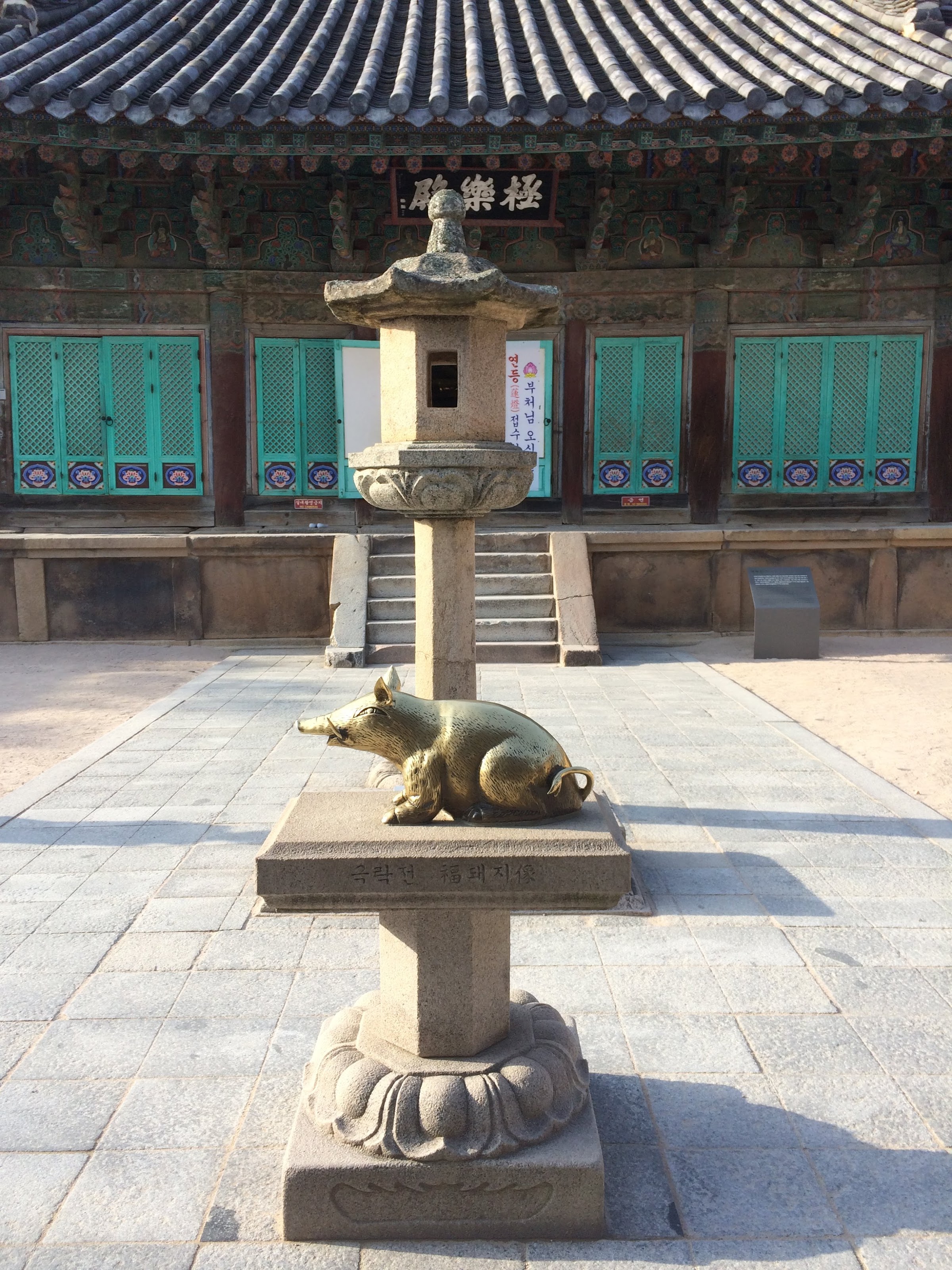
There was a brass pig, and rubbing it is supposed to bring good luck, so we rubbed the hell of it. Look how shiny it is!
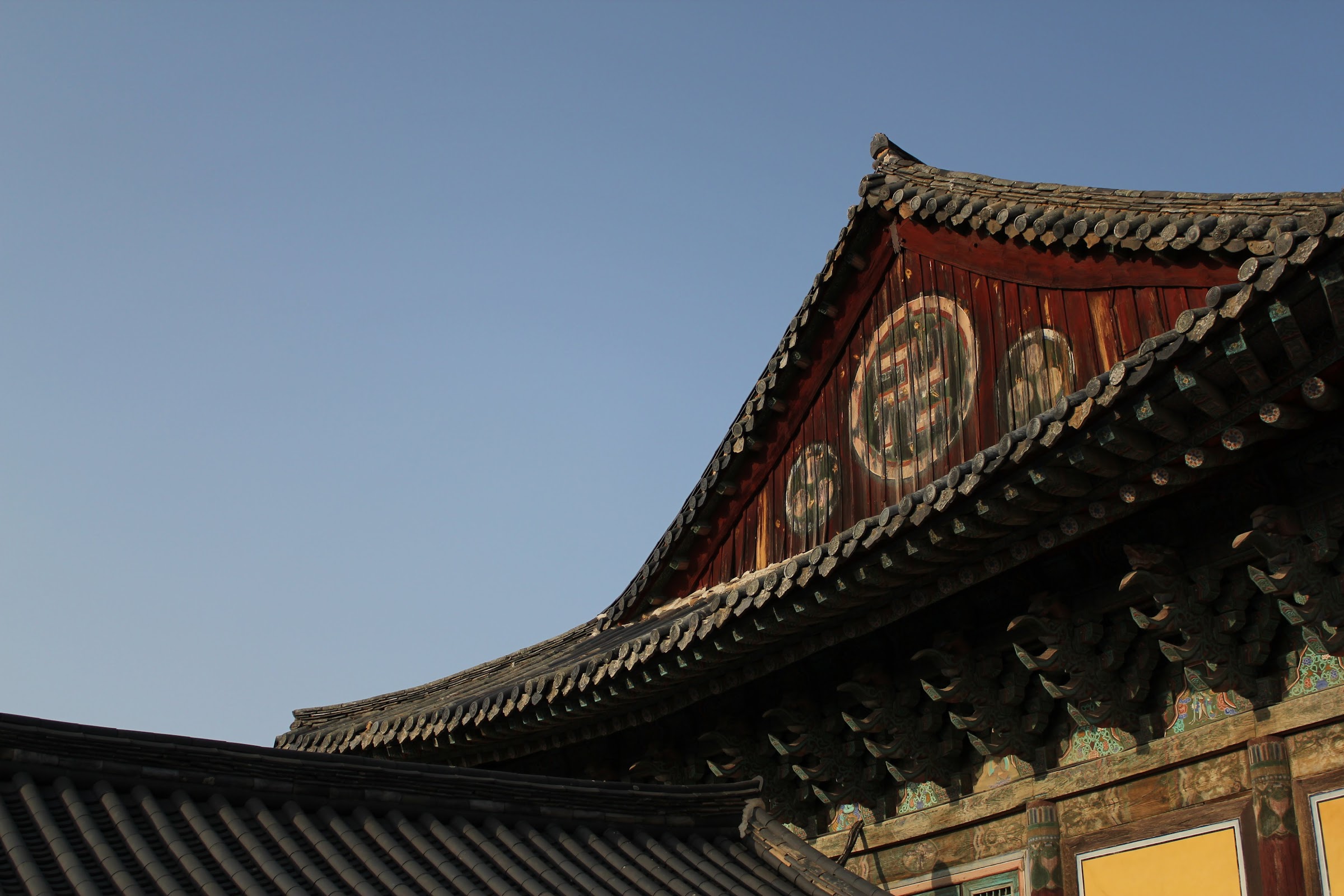
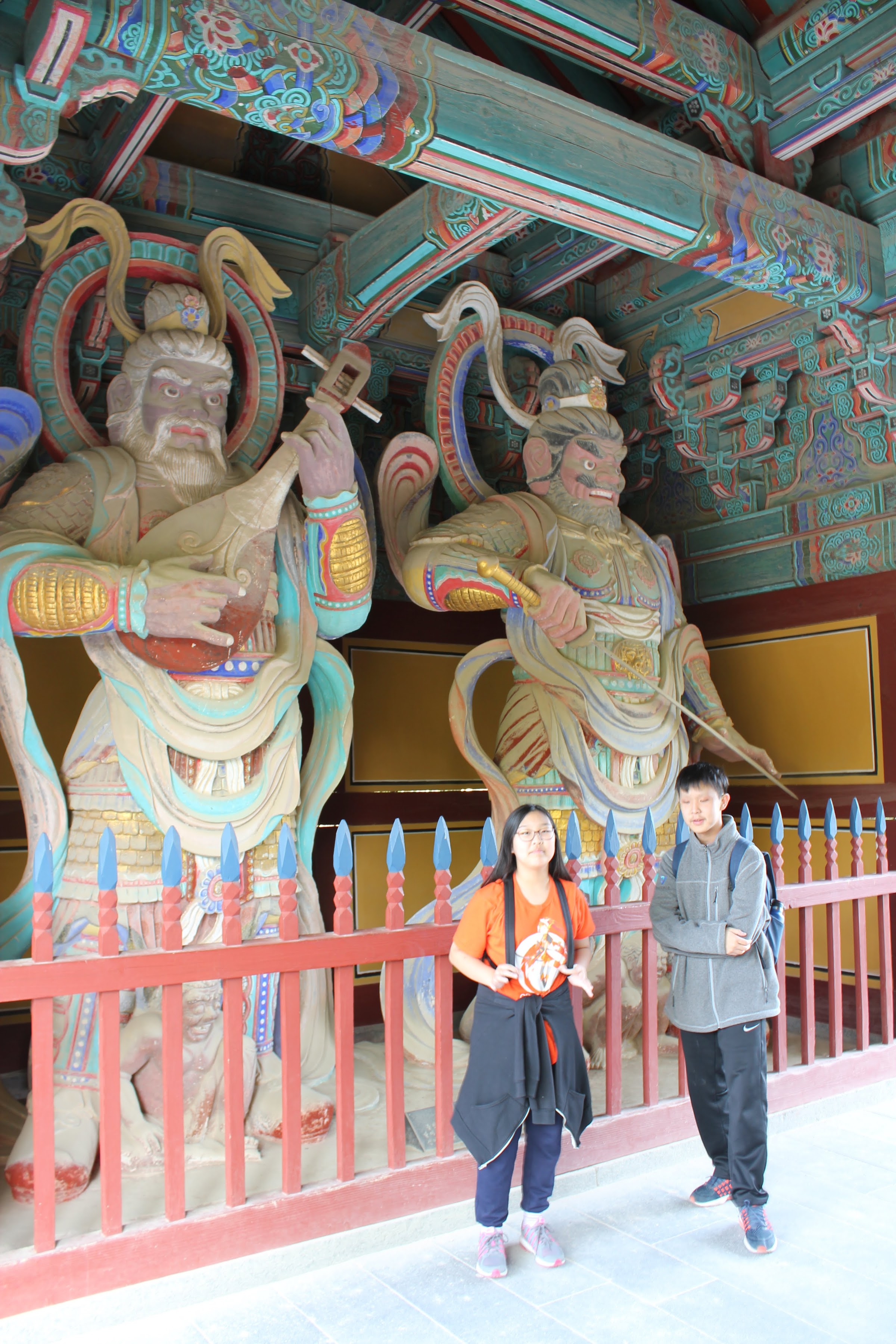
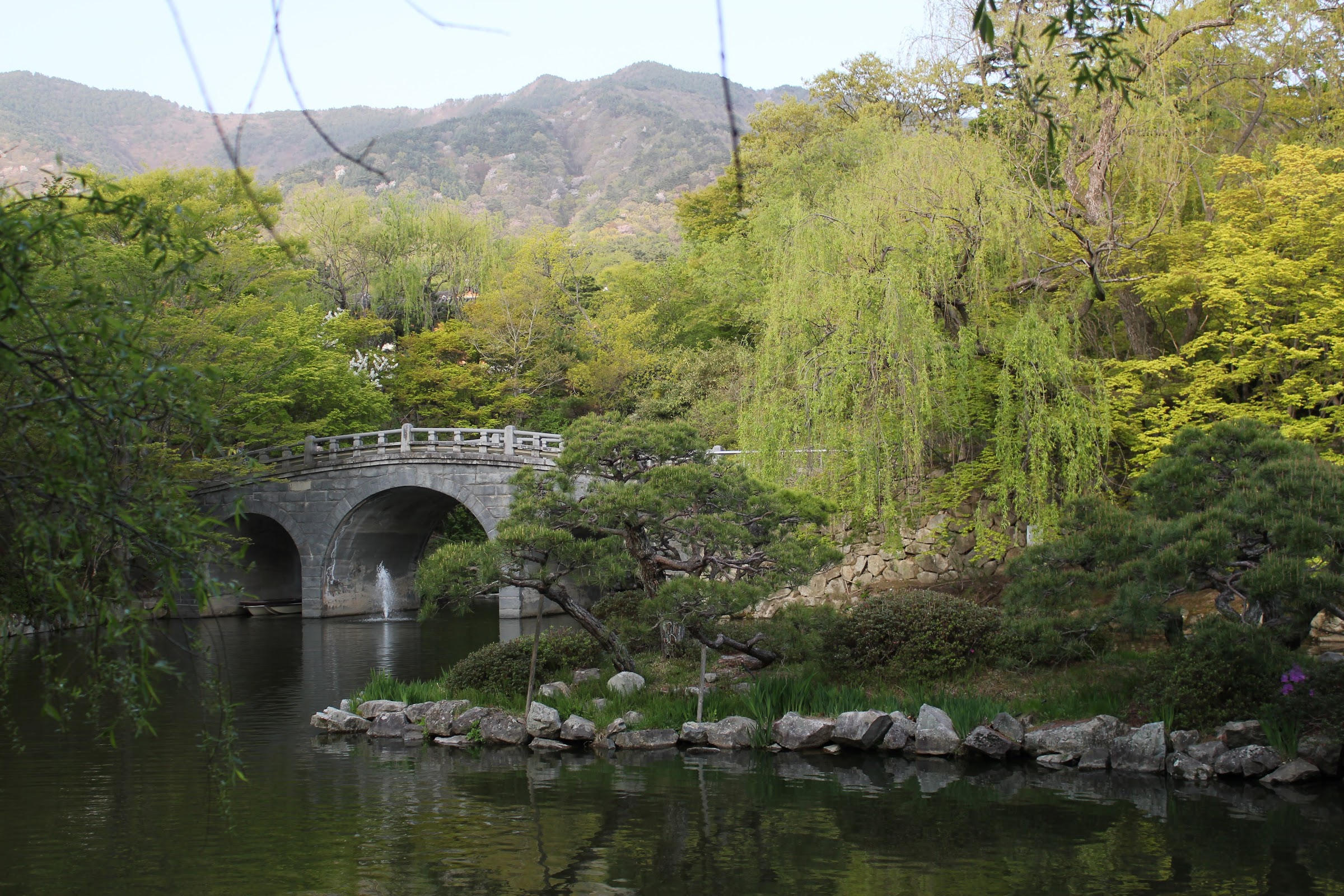
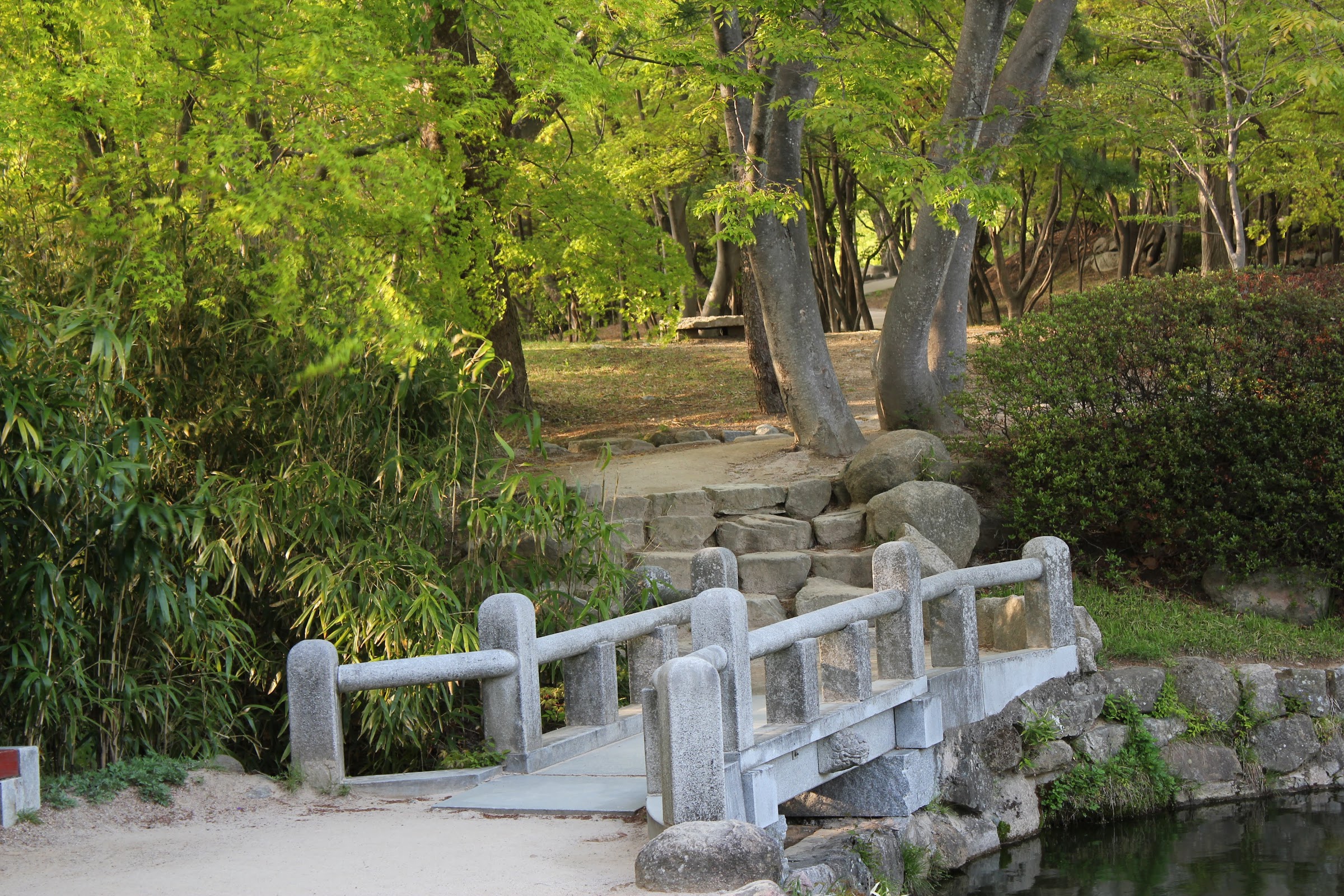
But the place was beautiful and luckily there weren’t many people in the temple.
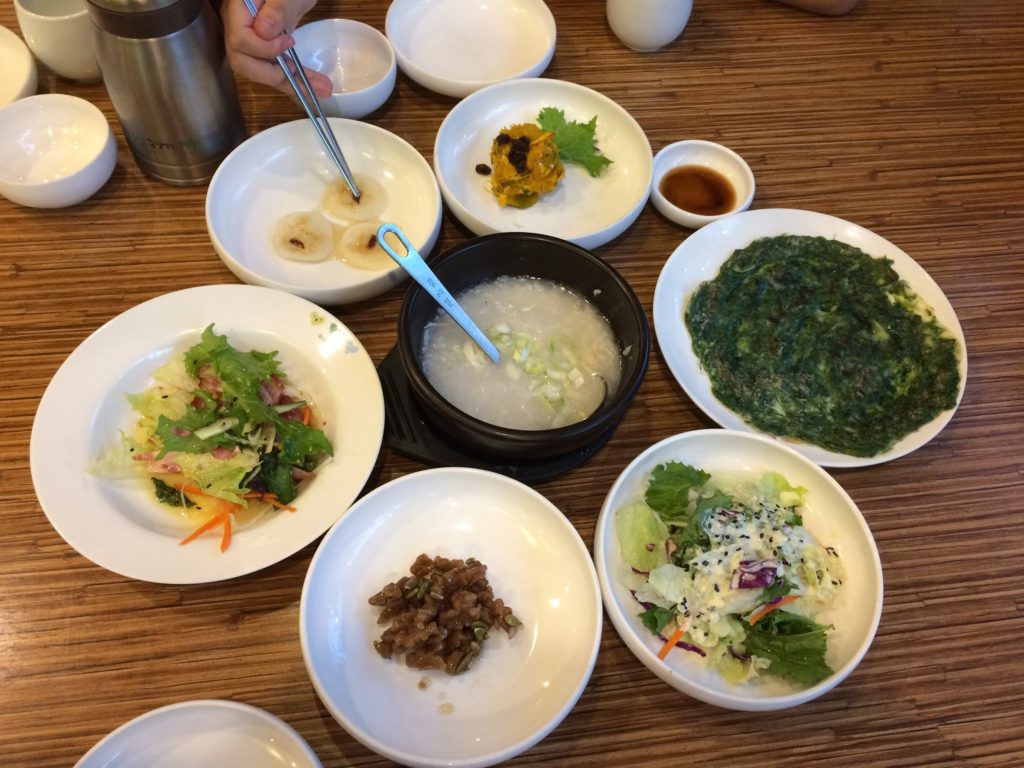
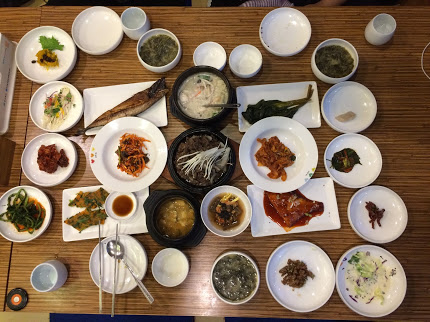
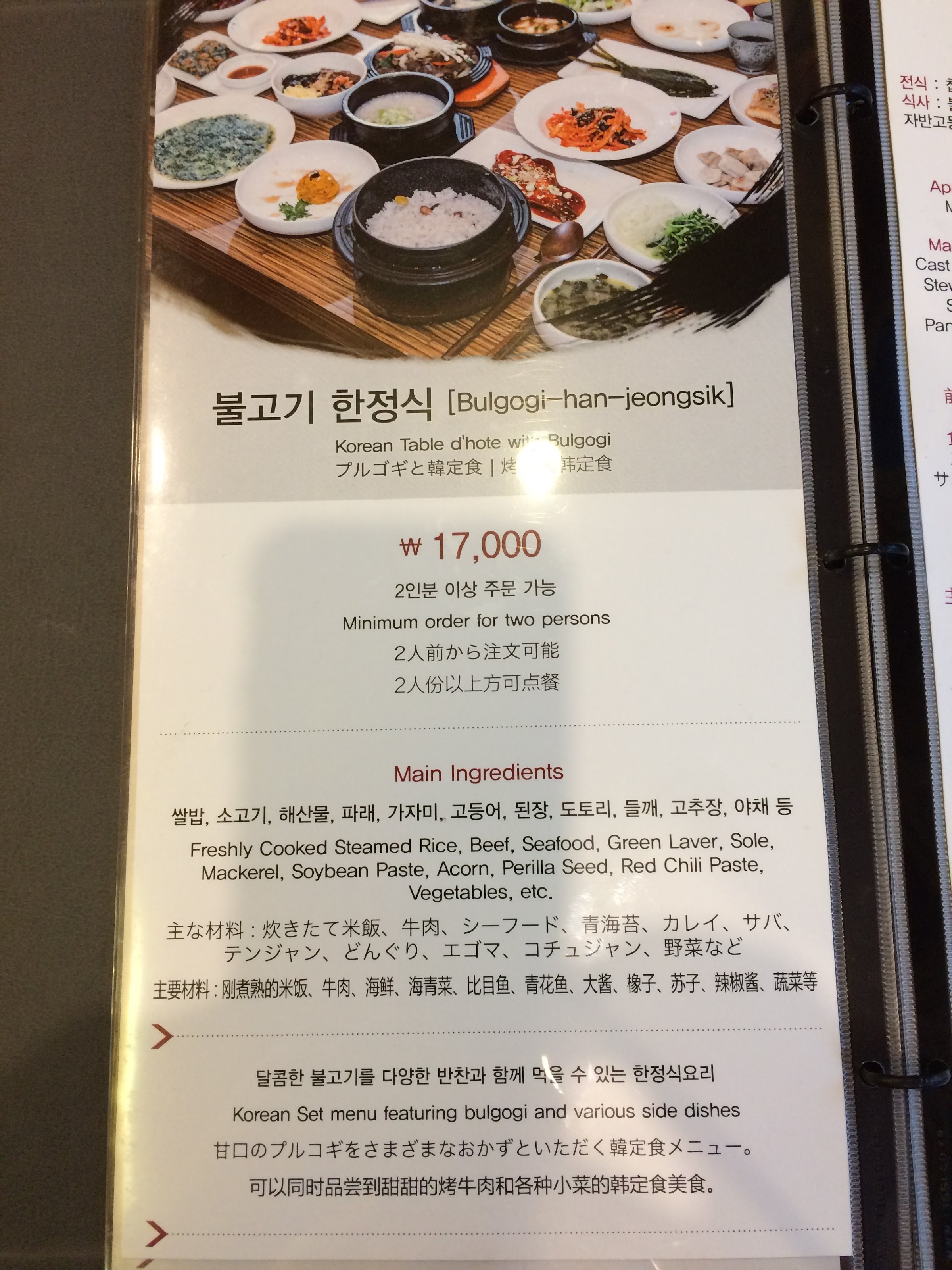
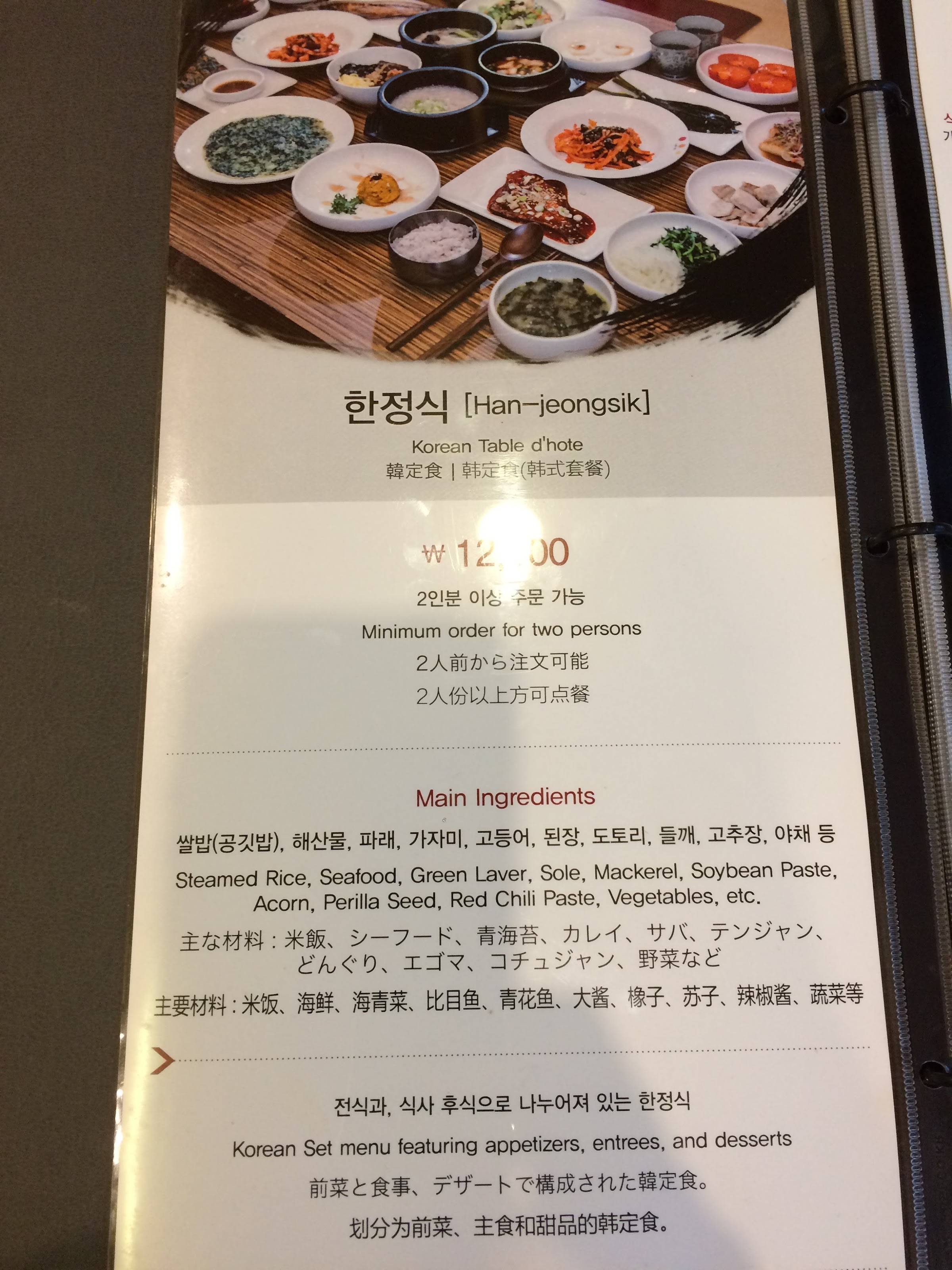
Traditional Korean dinner
After Bulguksa, we took a cab to a dinner place. In places Gyeongju, they have many restaurants that serve you traditional dinner – on a gigantic table.